
In hospitality, the tiniest detail could cost you a customer
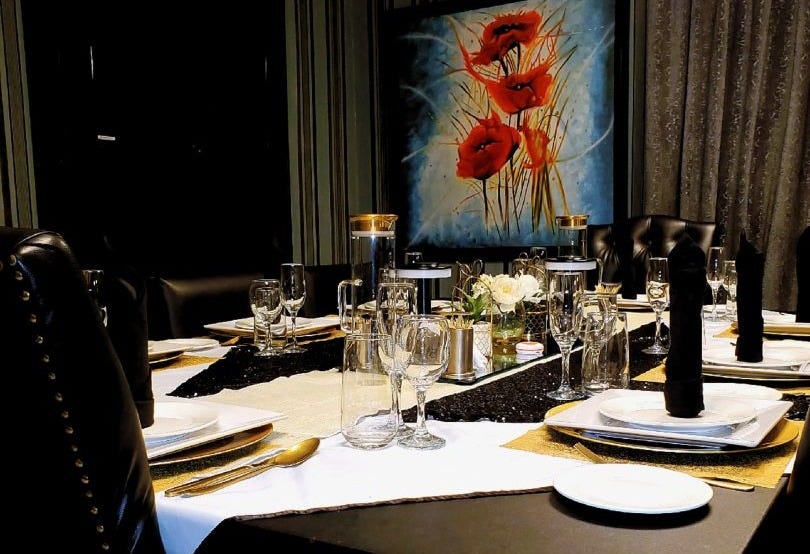
An Invitation That Set Me Thinking
.
As we walked toward the lobby, our nostrils caught something subtle and intentional: an Arabian musky fragrance, exotic and quiet. Everyone had something to say about it. By the time we reached the lobby and met the cheerfulness of the reception and waiting staff, we were already enamored. We stayed for over five hours without noticing the time.
That visit sent me straight to a framework I have been sitting with for a while. A Swedish businessman named Jan Carlzon wrote a book in 1987 titled “Moments of Truth.” Carlzon was the CEO of Scandinavian Airlines, and he had a theory. Every single point of contact between a guest and a service organization is not just a transaction. It is a verdict.
The Thirty Seconds No One Is Counting
Walk into any mid-range hotel in Lagos. The everyday ones. Where business travellers spend most of their nights and families mark important weekends. Pay attention to the first thirty seconds.
Photo by Ato Aikins on Unsplash
Is there eye contact? Was there a warm greeting, or just a slow look up from a phone screen? Did anyone walk toward you, or did you find your way to them? Does the space smell like something intentionally curated, or like something no one bothered to decide?
Those thirty seconds are a Moment of Truth. They are telling you exactly what this property believes about the people who walk through its doors. And in many cases, the answer is not flattering.
Nigerians, by nature, are among the most hospitable people on earth. We welcome strangers with open arms. That being said, when a guest is treated in a way that leaves a sour taste, you have lost not just a customer but every referral they would have ever sent you. Your goal is to trigger moments so good they are never forgotten, embellished in the mind long after checkout.
Every Touch point Is a Verdict
Carlzon mapped the guest journey as a sequence of moments, not a single experience. Check-in is one moment. The elevator is another. The corridor outside your room. The response time when you call the front desk. The quality of the apology when something goes wrong. The checkout interaction when you are already tired and ready to leave.
Each of these is a separate verdict. One poor verdict can erase twenty good ones. Guests do not average their experience. They remember what felt wrong. This should be taught in every hospitality school and operations meeting in Nigeria. It does not require enormous budgets. It requires attention, consistency, and a genuine belief that guests deserve to feel seen.
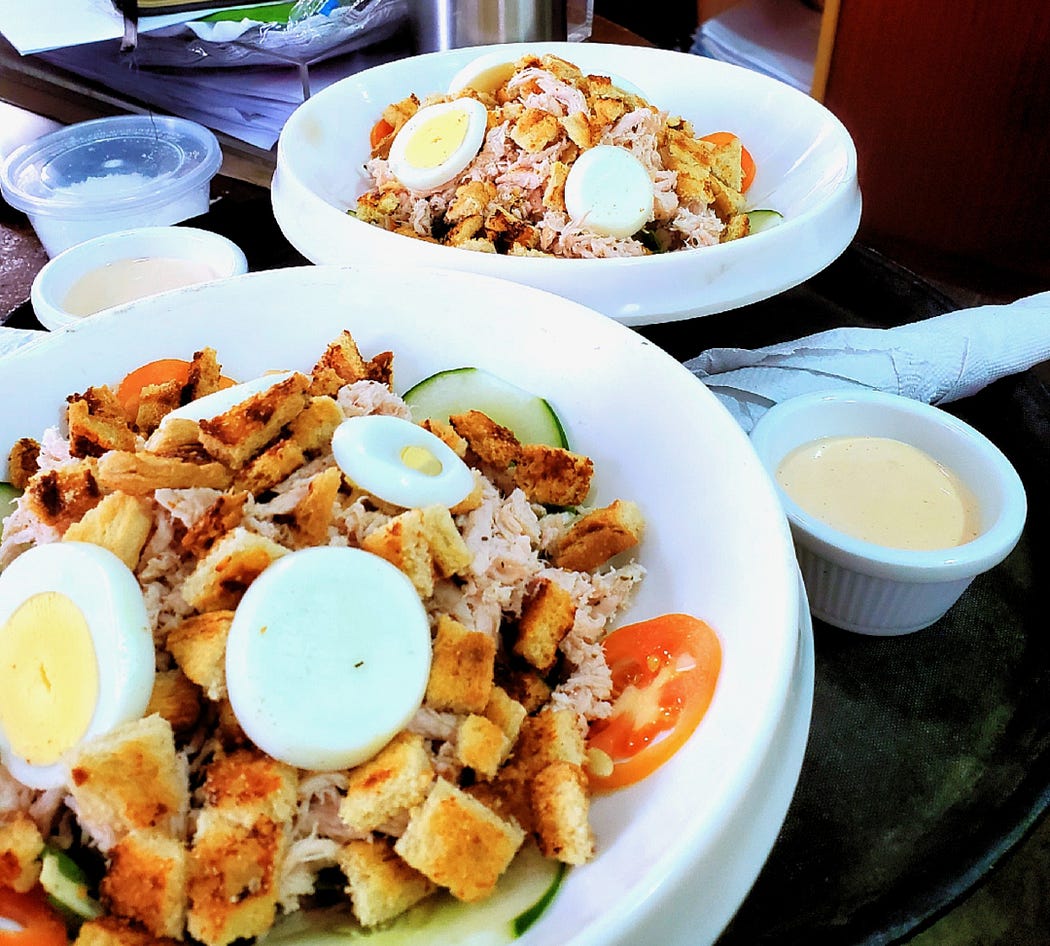
For instance, the difference between a great check-in and a forgettable one is often not the marble floors or the flower arrangement. It is whether the person behind the desk looked up before you reached the counter.
The Staff Conversation Nobody Wants to Have
Carlzon was not just writing about guests. He was writing about employees. His argument was that front-line staff are the most powerful people in any service organization. They are the ambassadors of the brand. Management makes the policies. Staff create the experience.
I am torn between believing that most hospitality staff I encounter are indifferent or that they are simply exhausted, undertrained, underpaid, and working inside systems that have never given them the tools or the dignity to show up differently. That distinction matters enormously when we are talking about fixing things.
A receptionist who greets a guest warmly despite her own exhaustion is performing a small act of generosity. A waiter who de-escalates a complaint without running to a supervisor is exercising real skill. These things do not happen in environments where staffs feel disposable.
Long story short: guest experience and staff experience are not separate conversations. They are the same conversation.
Photo by Hailey Hou on Unsplash
Walk Your Property Like a Stranger
Do something different today. Walk through your property or your event space as a guest would. Not as the owner or manager who knows where the fire exits are, but as someone arriving for the very first time. Where are the moments that could go wrong? Where are the moments being left to chance? Where is the gap between what you intend and what a guest actually experiences?
At the end of the day, the Moment of Truth framework is asking one essential question: who is in charge of the small things? Because in hospitality, the small things are not small. They are the whole thing. It is the accumulation of tiny, well-managed moments that crackled with intention. That is what guests remember. That is what builds reputation. And that, in my view, is what hospitality in Nigeria is still learning to do consistently.
 Olubukola Akanbi
Olubukola Akanbi is a communications, marketing, and hospitality practitioner. Welcome to My Table is her weekly column on hospitality as a practice of respect, dignity, and thoughtful detail.