
Sun, Guns and Horses!
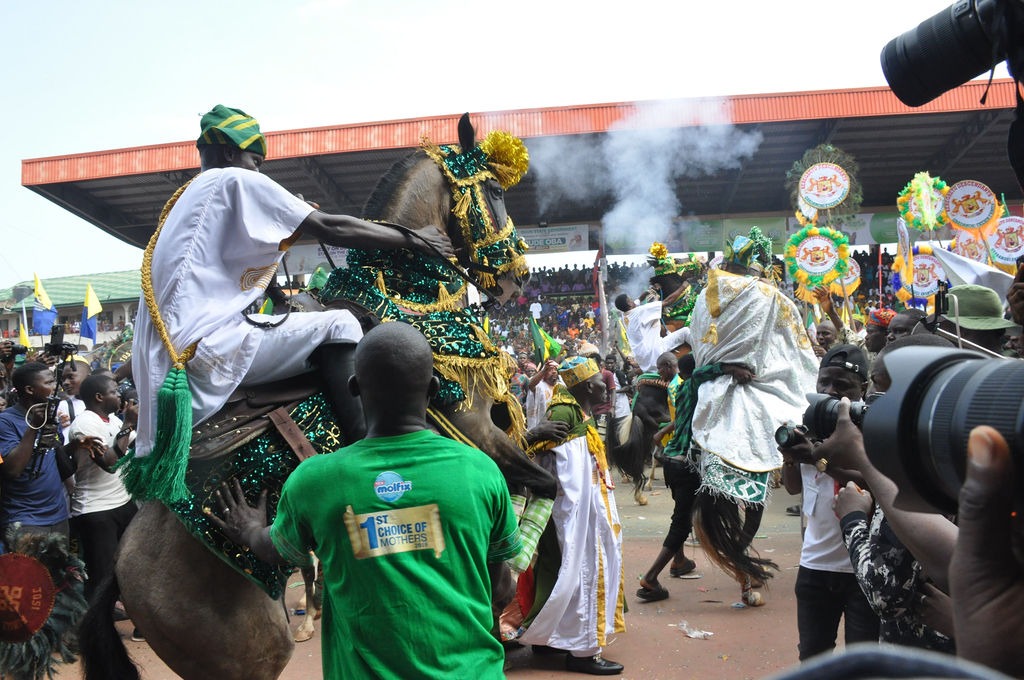
Every time the Ojude Oba festival holds in Ijebu Ode (Ogun State), usually on the third day after the Eid-el-Kabir celebrations, indigenes, their friends and families, who live within and outside the state, gather in their numbers to observe a tradition that is almost 200 years old. A local publication describes it as “the most glamorous cultural and spiritual festival in Ijebuland”.
And there is a good reason—the festival is in honour of the paramout ruler of Ijebu kingdom in Nigeria’s South-West region. “This is the only way we know to honour our king, the Awujale of Ijebuland, Oba (Dr.) Sikiru Adetona (Ogbagba 11). We do it collectively in a public place like this and it has been the practice for many years,” says Alhaji Abiodun Odunnuga, who is immaculately dressed in blood-red Aso Oke fabric and seated with his age-grade group, the Obaleke, another important feature of the festival.
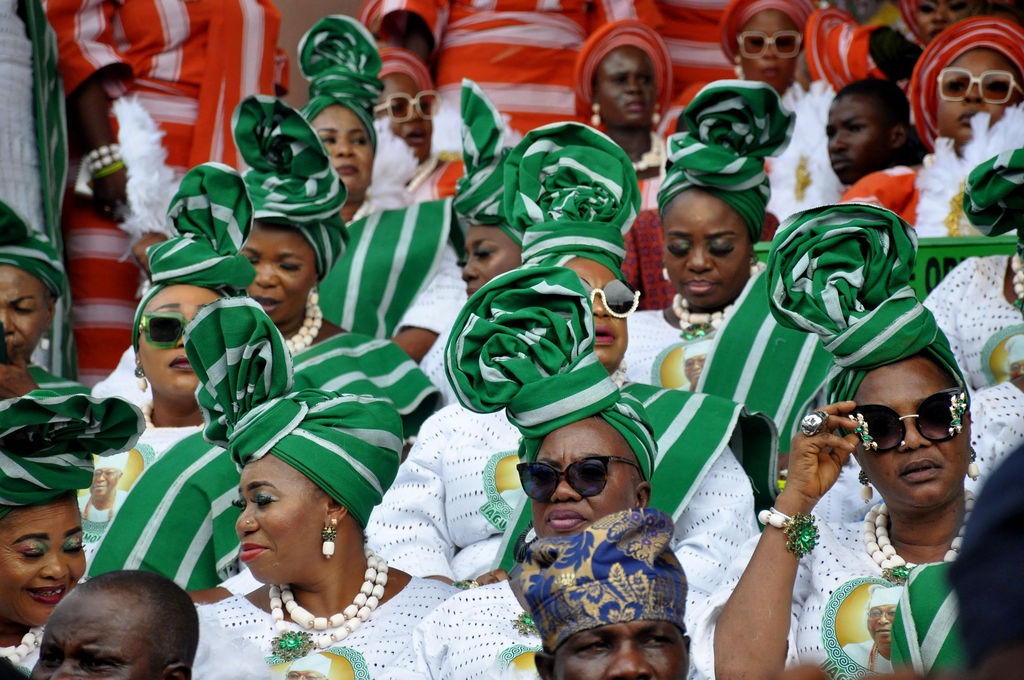
Members of Obaleke are Ijebu sons born anytime between January 1944 and December 1946. Stretching to the left and right of the Obaleke members are dozens of other age-grade groups (locally called Regberegbe and numbering 37 at the last count), bedecked in brilliant traditional costumes and choice body adornments, all carefully chosen with the mindset to appear the best dressed for the day’s outing and a chance to clinch the prize money on offer at the end of the day’s outing.
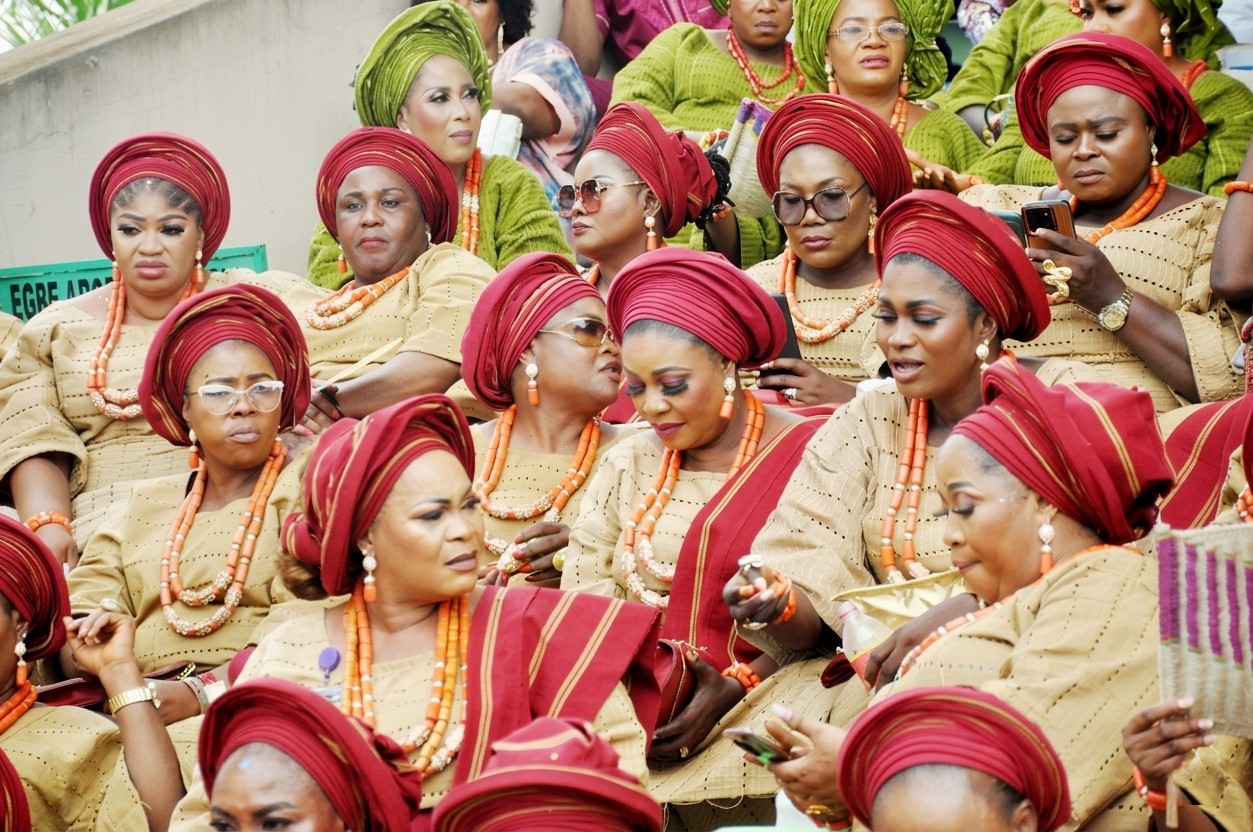
The age-grade groups have been a long-standing feature of Ijebu social life, their earliest formation dating back to the 19th century. The groups disappeared for a long time until they were once again revived in 1989 by the current Awujale. In the past, the groups were responsible for community development initiatives, which included building markets and clearing clogged waterways.
To date, their responsibilities have remained largely that; when called upon, they pool resources to fund certain infrastructure developments in the locality. The construction of the new Awujale’s palace, the ‘Awujale Royal Archway’ (leading to the palace), the Ijebu Ode town gate, and donations to orphanages are examples of their more recent engagements.
“It was the age-grade groups that constructed this new pavillion, where the festival is holding today,” says Odunnuga. “It used to be hosted inside the Awujale’s palace. But the king summoned us one day and briefed us about his desire to have us fund a purpose-built venue for the festival. We saw reason with him and here we are today enjoying the festival in a dedicated space.”
The Pavilion is like a mini stadium, which can seat approximately 20,000 spectators. Already nearly all the seats are taken and the field itself is jammed with revellers. A rowdy parade of horses is already underway, involving the many families and descendants of past and present Baloguns. Not surprisingly, the disorderly crowd on the ground makes the horses’ march almost impossible; but the horse-riders pull the harness this way and that, and the horses charge angrily forward. Stampede.
Apart from the stunning array of seated age-grade groups, the horses’ procession is the next most important aspect of the Ojude Oba ceremony. And the participating families, mounting as many as five horses and surrounded by drummers and hunters, enjoy their brief and befitting moment in the sun.
“Horse riding has been a part of the Ijebu tradition,” says Odunnuga. “Baloguns in the past were known to visit the kings of old on horseback, so this is a modern re-enactment of that practice.” A member of the Alatishe family says he grew up in the 1950s to know his father as a horse rider, a skill also possessed by his grandfather.
Hunters, visibly excited, shoot their local guns in the air at irregular intervals, adding their own thrill to the procession. And the blasts can be deafening and fear inducing. “There is no need to be scared, we don’t use bullers,” says a smiling and sweaty Tajudeen, a hunter of 15 years and who is with the Ajibike Odedina Royal House. “The horse-riding families ask us to join their parade so as to add some spectacle to the day’s activities. It’s the same reason for the drummers too.”
Across the field from where the age-grade groups are seated are the king, other invited kings from nearby towns and villages, the state governor Ibikunle Amosun as well as invited VIPs, who have come on solidarity visits.
Awofeso is a travel writer, magazine editor and a winner of the CNN/Multichoice African Journalists Awards in the tourism category.