
Are Lagos Restaurants Overpriced?
“Hospitality is not a luxury. It is a fundamental expression of human dignity.”
— Horst Schulze (Co-founder, The Ritz-Carlton)
Photo by Chibuzo Nwaneri on Unsplash
Lagos is the heartbeat of Nigeria and one of the largest cities in Africa, home to over 24 million people. It is a city that offers a distinctive blend of commerce, culture and entertainment. The energy here is proud and loud, and living in Lagos comes at a cost. Several factors drive that cost across different aspects of daily life, but for the purpose of this conversation, we are focusing on food. More specifically, we are focusing on what happens when you choose to eat out, and whether the price on the menu is truly justified.
A City of Many Tables
The cost of food in Lagos varies considerably based on dietary preferences and lifestyle choices. Local and fresh produce remain more affordable than imported goods, and Lagos boasts a wide variety of international franchises that offer a sense of comfort and familiarity. For those who prefer to eat out rather than cook, the options stretch from roadside street food to mid-range restaurants and full fine dining experiences.
There are clear levels and tiers to eating out in this city. A customer’s budget spend is largely determined by where they choose to eat and what kind of experience they are seeking. Lagos can be genuinely affordable, but it also has a very expensive top tier. The question worth asking is this: what exactly are customers receiving in return for the price they are paying?
The Value Gap Nobody Wants to Talk About
Small portions. Unremarkable customer service. Stunning aesthetics and carefully curated ambience. These are the three things that tend to define the mid-to-high-end Lagos dining experience. And herein lies the tension: there is a very real and very visible mismatch between value and price in many restaurants across the city, particularly on the Island. Customers are paying premium prices and still walking away feeling underserved.
Then there is the lifestyle pricing culture, a practice where restaurants set their prices not based on the cost of the meal itself, but on the aspirational identity they are selling. Some Lagos restaurants are not built for the average Nigerian. Their market targets are high-net-worth individuals, social elites and expatriates. The dining culture in these spaces is, by design, bougie and elitist. These are the homes of power dining, where high-stakes networking, theatrical luxury and entertainment are as much a part of the evening as the food itself.
The honest question worth sitting with is this: are people paying for food, or are they paying for positioning, status, architecture, experience, crowd and ambiance?
Photo by Anton Ponomarenko on Unsplash
How Nigerians Interact With Food
Before I answer the overpriced question, I should explain how Nigerians actually engage with the dining experience, because food in this culture is never just food.
Ambience plays a critical role. The carefully placed terracotta accents, the warm brass light fittings, the potted plants in corners, the curated playlist. Customers notice these things. They are also increasingly choosing where to eat based on what they see online. A beautifully lit plate on Instagram or a reel of a restaurant’s interior can fill a reservation list for weeks. The visual currency of a dining experience now competes seriously with the quality of the meal itself.
That being said, there is a meaningful and growing movement in Lagos fine dining that is doing something genuinely exciting. Nigerian local dishes are being taken seriously, re-imagined with attention to texture, balance and presentation. Efo Riro plated with precision, Suya elevated to a fine dining centrepiece. This is not performance for its own sake. At its best, it is a deeply respectful reinterpretation of familiar food, and diners are willing to pay for it when the execution is thoughtful and deliberate.
So, Are We Overpriced?
It depends on who is asking and whose budget is being referenced. The overpriced conversation is not happening in the same restaurant for every diner. Informal local spots, bukas, eateries and take-out joints serve a different market from casual dining establishments, which serve a very different market from luxury fine dining. Each tier has its own pricing logic and its own customer expectations.
What is clear is that the diners driving the overpriced conversation are not simply looking for cheap meals. They are seeking authenticity. Affordability without pretence. A thoughtful and deliberate reinterpretation of food they already love. They are willing to pay well when the experience earns it. The issue arises when the price reflects the decor investment rather than the hospitality standard.
Photo by Anisat Yunusa on Unsplash
The Real Cost of Running a Restaurant in Lagos
To be fair to restaurant operators, this conversation cannot be complete without acknowledging the significant operational pressures that shape menu pricing. The effect of inflation in Nigeria has been intense and unrelenting for businesses. Currency instability creates ongoing unpredictability for any establishment that sources imported goods, which most mid-range and fine dining restaurants do.
Add to that the internal operational challenges: poor inventory control, inaccurate financial tracking, inefficient staffing models, the absence of standardised processes and training programmes, and a general resistance to leveraging technology and optimisation tools. These are not small issues. They compound one another and they drive costs upward in ways that are ultimately passed on to the customer.
Location also plays a significant role. The disparity between Mainland and Island pricing reflects not just real estate costs but an entirely different market dynamic. And then there are the hidden charges that diners rarely account for until the bill arrives: a 5% consumption levy and a 7.5% VAT, both of which can add a meaningful amount to what felt like a reasonable spend at the point of ordering.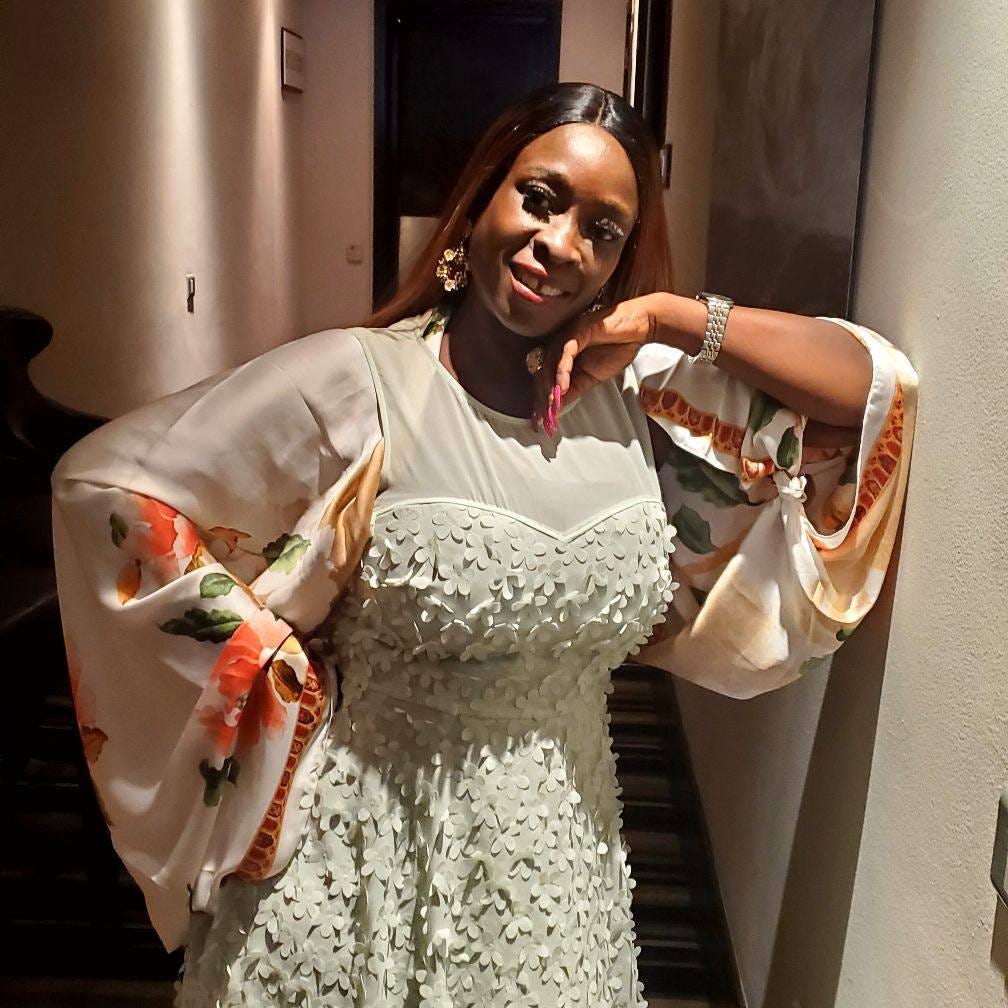
Olubukola Akanbi
The Standard We Should Be Holding Ourselves To
Long story short, the overpriced conversation in Lagos dining is really a conversation about standards. It is a call for the industry to realign with what hospitality truly represents: the deliberate, respectful and consistent act of making a guest feel genuinely valued.
The restaurants that will earn their pricing and their loyalty in the years ahead are the ones that close the gap between what they charge and what they deliver. Not just in food. In every single touchpoint from the moment a guest walks in to the moment they leave.
Lagos has the talent, the creativity and the culinary heritage to build a dining culture that the continent looks to as a standard. The question is whether the industry is ready to hold itself to that standard, honestly and consistently.
That is the conversation worth having.
Akanbi is a communications, marketing, and hospitality practitioner with over 15 years of experience across broadcasting, public relations, and events management.